


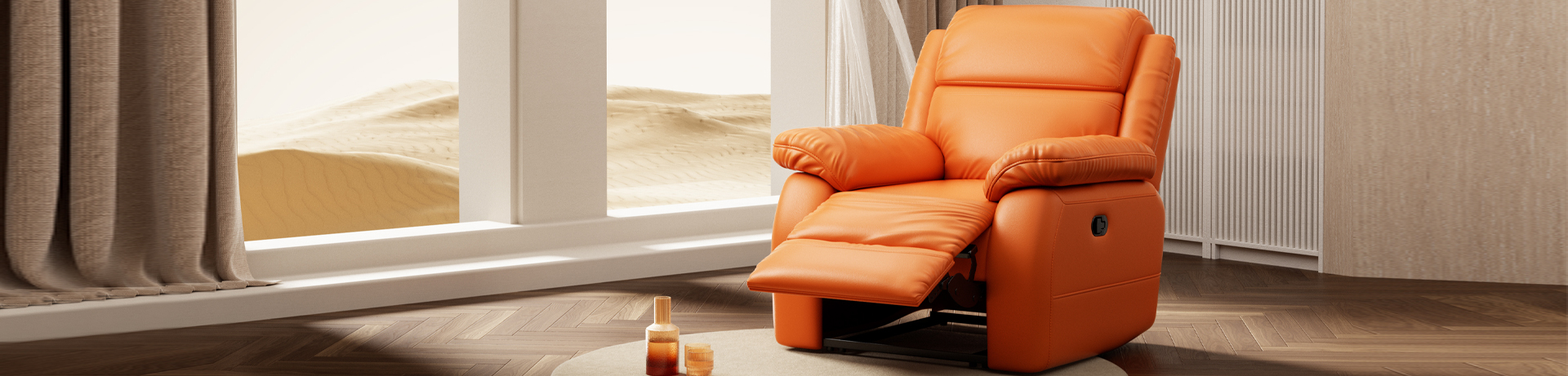
At the intersection of fashion and the environment, a new material is emerging: Mycelium leather. This unique leather substitute not only carries the texture and beauty of traditional leather, but also contains a deep commitment to sustainable development, bringing a green revolution to the leather industry.
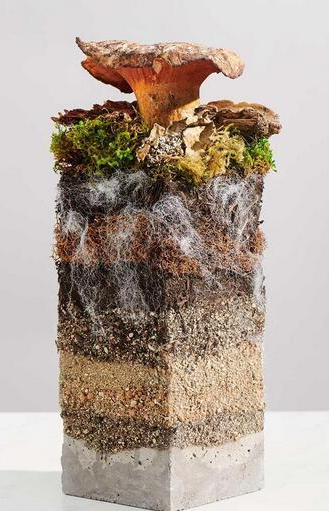
First.,The origin and birth of Mycelium Leather
Mycelium leather was born out of the concern for the environmental problems brought about by traditional leather production methods. The traditional leather manufacturing process often involves the use of large amounts of chemicals, water consumption and greenhouse gas emissions from animal farming. Scientists and innovators began to look for a greener, more sustainable alternative, and mycelium, the nutritional structure of fungi, became the focus of research.
By carefully cultivating specific types of mycelium and letting them grow and intertwine under specific environments, a material with leather-like texture and strength was formed, namely Mycelium leather, which appeared to provide new ideas and directions for solving the environmental dilemmas of the traditional leather industry.
Second, the unique characteristics and advantages
(1) environmental sustainability
Mycelium leather is one of the most significant advantages is its environmental characteristics. It is completely based on renewable resources – mycelium culture, the production process does not need to slaughter animals, greatly reducing the harm to animals and the damage to the ecosystem. Compared with traditional leather, its production process requires significantly less energy and water resources, and does not produce a large number of harmful chemical emissions, from the source to reduce the negative impact on the environment.
(2) Biodegradability
This innovative material also has good biodegradability. At the end of its useful life, Mycelium leather is able to decompose naturally in the natural environment, and will not exist in landfills for a long time like traditional leather, causing soil and groundwater pollution. This characteristic makes it in line with the concept of circular economy and helps to build a more environmentally friendly and sustainable future.
(3) Texture and aesthetics
Although it is a new environmentally friendly material, Mycelium leather is not inferior to traditional leather in terms of texture and appearance. Through fine processing, it can present rich texture, soft handfeel and natural colour. Whether it is used in fashion apparel, footwear or home accessories, it can show unique charm and high-quality visual effect to satisfy consumers’ needs for aesthetics and comfort.
(4) Performance and Durability
After continuous research and development and technical improvement, the performance of Mycelium leather is also gradually improved. It has a certain degree of strength and toughness, can withstand the wear and tear and stretch in daily use, with good durability. At the same time, it can also add some natural additives or special treatment processes to further improve its waterproof, mildew and other properties, so that it is more adaptable to a variety of different application scenarios.
Third, the expansion of application fields
With the maturity of technology and the improvement of market recognition, Mycelium leather is gradually being applied and promoted in various fields.
In the field of fashion, more and more designers have begun to incorporate Mycelium leather into their works, creating fashionable and environmentally friendly clothing, bags and accessories. These creations not only display unique design styles, but also convey a sense of responsibility and commitment to environmental protection, and are favoured by many environmentally conscious consumers.
Mycelium leather also has a broad application prospect in car interiors. It can replace the traditional leather seats and interior materials, bringing a more environmentally friendly and comfortable driving experience to the car. At the same time, its lightweight characteristics also help to improve fuel efficiency and reduce carbon emissions.
In addition, Mycelium leather has also begun to emerge in the field of home decoration, electronic product shells and so on. Its natural texture and environmentally friendly characteristics add a unique charm to these products and satisfy consumers’ pursuit of a green lifestyle.
Four,Challenges and Future Prospects
Although Mycelium leather has many advantages and potentials, it also faces some challenges in the process of its development. Firstly, the current production cost is relatively high, which limits its large-scale commercialisation to a certain extent. Secondly, the technical aspects need to be further improved, such as how to improve the stability, durability and production efficiency of the material. In addition, market awareness and acceptance need to be further improved, and it will take time to cultivate consumers’ understanding of and trust in this new material.
However, as technology continues to advance and R&D investment increases, we have reason to believe that these challenges will be gradually overcome. In the future, Mycelium leather is expected to be widely used in more fields, and become a mainstream environmentally friendly material, promoting the whole leather industry to a more green and sustainable direction.
In conclusion, Mycelium leather as a kind of innovative environmental protection material, shows us the possibility of perfect combination of fashion and environmental protection. It not only represents the progress of science and technology, but also embodies mankind’s firm determination to protect the earth’s homeland and pursue sustainable development. Let’s look forward to Mycelium leather blooming even more brilliantly in the future, contributing to the creation of a better world.
Post time: Jun-24-2025


