


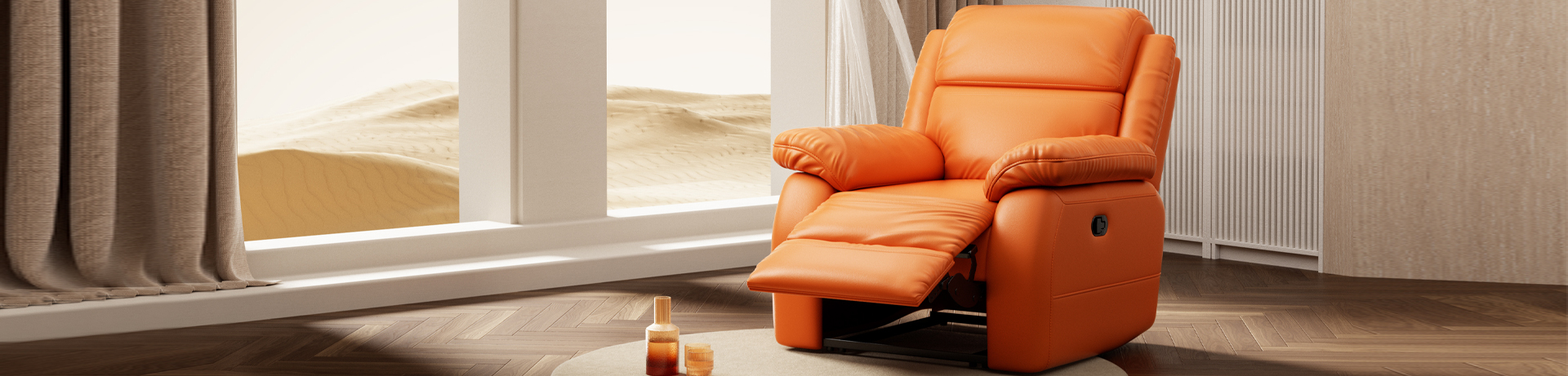
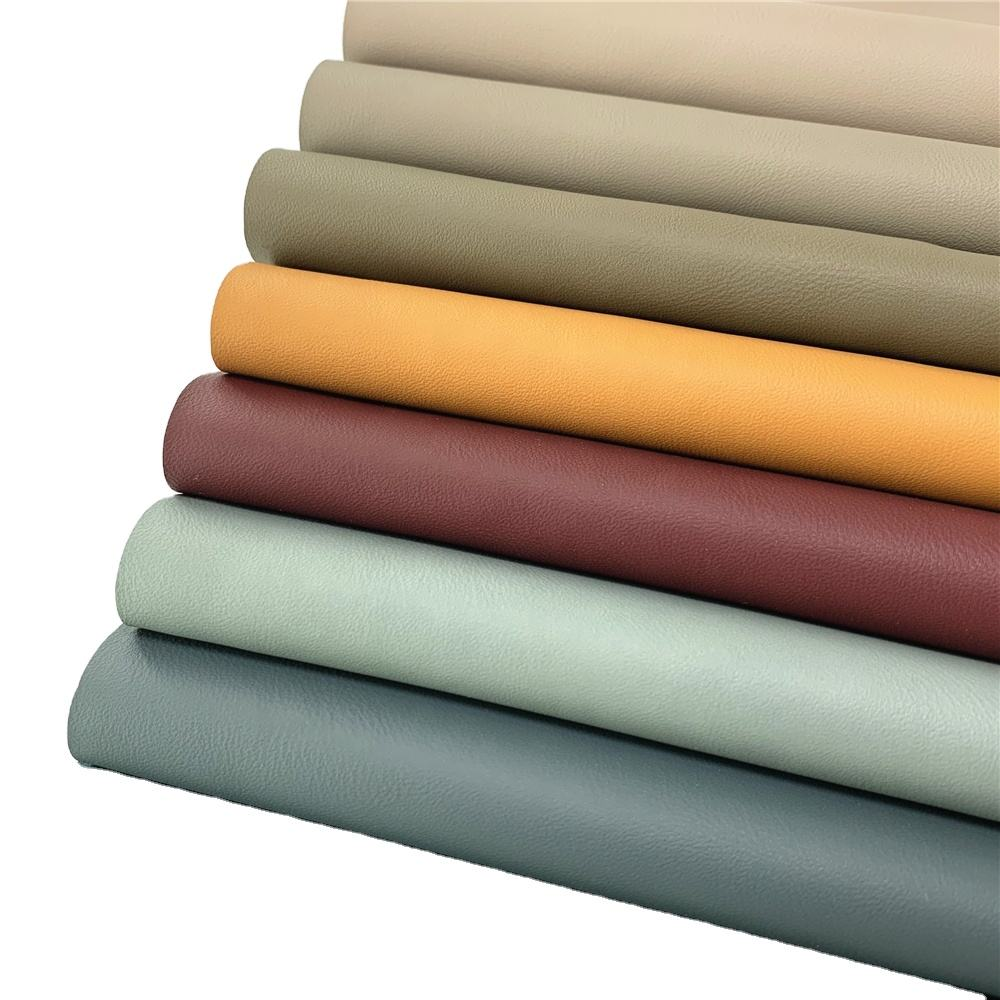
When Hermès artisans first touched full-silicone leather, they were astonished to discover this synthetic material could perfectly replicate the delicate grain of calfskin. When chemical plants began adopting flexible silicone-based linings for corrosion-resistant pipelines, engineers realized traditional metals were being revolutionized. Silicone leather is emerging as a versatile medium, bridging fashion, healthcare, manufacturing, transportation, and beyond to forge a new ecosystem connecting premium consumer goods with industrial demands. What makes this material so remarkable? Let’s explore its potential through real-world applications.
First Stop: Aesthetic Revolution in Luxury Goods
Backstage at Paris Fashion Week, designers are selecting specially treated matte full-silicone fabrics for new handbag collections. Their advantages far surpass traditional materials:
✨ Enhanced visual impact—Precision temperature-controlled embossing creates three-dimensional patterns like crocodile skin or stone textures impossible to achieve naturally, with luster dynamically shifting with light angles;
✨️ Invisible Functionality — A haute couture brand’s rain-ready tote features an outer layer resembling ordinary canvas, yet conceals an IPX6-rated waterproof silicone lining. It repels torrential rain without compromising breathability.
✨ Lightweight Revolution — 43% lighter than comparable lambskin leather, enabling an oversized suitcase to be effortlessly carried by one hand.
Case Study: Italian luxury brand Valextra’s silicone briefcase collection sold out its initial limited edition within three months of launch. Among repeat customers, 67% were first-time buyers from the emerging tech elite demographic.
Second Stop: The Guardian Role of Medical Devices
Stepping into a modern operating room, you’ll notice an increasing number of control panels with a silicone-like texture:
✨ Frontline Antibacterial Defense — Keyboards featuring silver-ion modified semi-silicone coatings achieve 99.99% antibacterial efficacy against MRSA superbugs. Combined with seamless one-piece molding, they eliminate disinfection blind spots entirely;
✨ Rehabilitation Device Evolution — Smart orthotic braces feature a dual-layer composite structure: inner memory foam provides support while an outer silicone sleeve delivers skin-friendly encapsulation. Clinical trials show an 82% reduction in pressure ulcer incidence.
✨ New Pharmaceutical Workshop Standard — A biopharmaceutical plant implemented full-silicone conveyor belts on freeze-dried powder injection packaging lines. Their low-temperature resistance (maintaining flexibility at -70°C) ensures zero damage during drug transport.
Data Support: Johns Hopkins Hospital research indicates that medical devices using antimicrobial semi-silicone materials require cleaning only once weekly, whereas traditional stainless steel equipment necessitates three daily disinfections.
Post time: Sep-26-2025


