


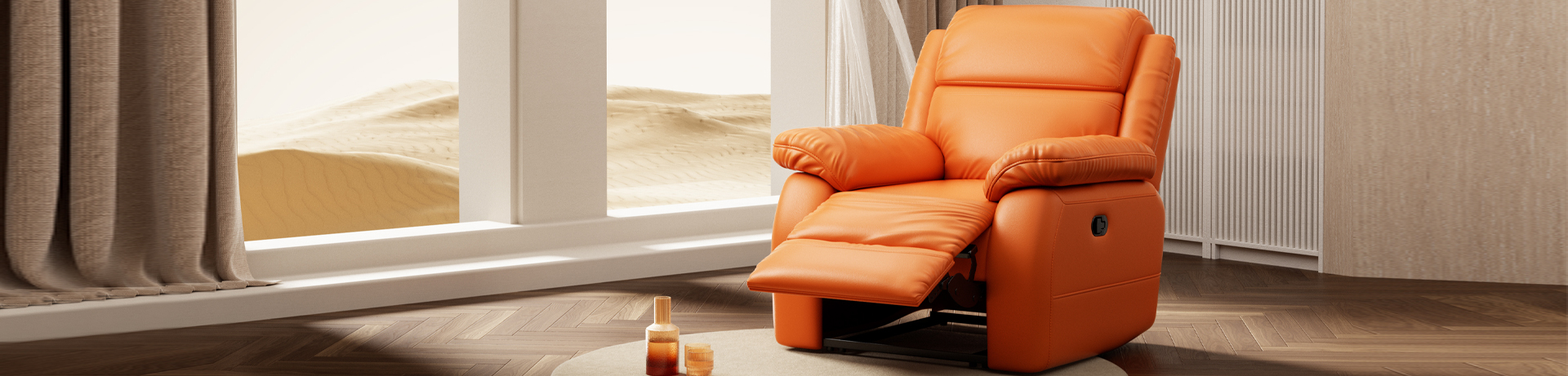
The global automotive industry is undergoing a profound transformation, driven by demands for premium comfort, durability, sustainability, and safety—all of which are reshaping the choice of materials for vehicle interiors. Among the most sought-after options for B2B buyers, including automotive OEMs, interior manufacturers, and wholesale suppliers, high-performance PU (polyurethane) leather and microfiber leather stand out as the gold standard. These synthetic materials combine the luxurious aesthetics of genuine leather with superior functional performance, cost-effectiveness, and eco-friendliness, making them ideal for a wide range of vehicle interiors—from economy cars and electric vehicles (EVs) to luxury sedans and commercial vehicles. As the automotive interior market is projected to reach USD 13.8 billion by 2035 with a CAGR of 4.38%, high-performance PU and microfiber leather are poised to capture a growing share, driven by their ability to meet the strictest industry standards and evolving consumer expectations.
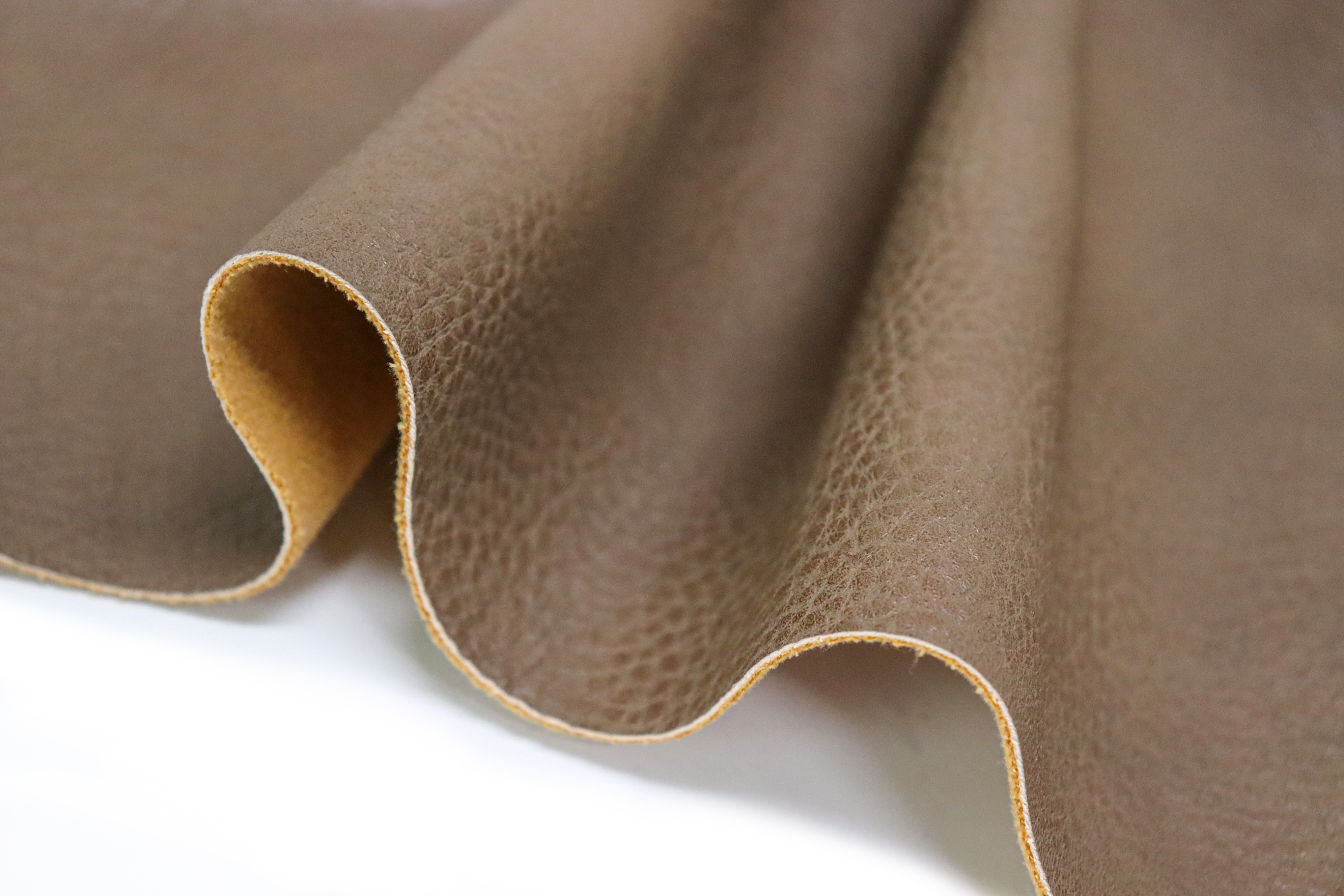
High-performance PU leather has become a staple in vehicle interior design, thanks to its exceptional balance of durability, comfort, and versatility. Unlike low-grade synthetic leathers that crack, peel, or fade over time, high-performance PU leather is engineered through advanced manufacturing processes—either dry lamination or wet processing—that enhance its structural integrity. It boasts impressive mechanical properties: while its tensile strength is slightly lower than genuine leather, its higher elongation at break, better resilience, and smaller permanent deformation make it more resistant to the daily wear and tear of automotive use. In terms of aging resistance, high-performance PU leather outperforms genuine leather in humid heat, high-temperature, low-temperature, and climate alternating environments, while matching it in initial and xenon lamp aging resistance. This makes it ideal for critical interior components such as seat covers, door panels, armrests, and instrument panels, where durability and long-term appearance are non-negotiable.
For B2B buyers focused on cost efficiency and scalability, high-performance PU leather offers significant advantages over genuine leather. It is more affordable upfront, with a consistent supply chain that minimizes pricing fluctuations and ensures on-time delivery for large-volume orders. Additionally, it is lightweight, contributing to vehicle weight reduction and improved fuel efficiency or EV range—a key priority for modern automakers. High-performance PU leather also excels in customization: manufacturers can easily adjust its color, texture, and thickness to align with brand design language, whether creating sleek, modern finishes for EVs or luxurious textures for premium models. Advanced variants, such as water-based PU leather, eliminate VOC emissions and odor issues, meeting strict environmental standards like EU REACH and addressing consumer concerns about interior air quality.
Microfiber leather, often referred to as microfiber-reinforced PU leather, takes performance to the next level, making it the preferred choice for high-end and luxury vehicle interiors. Composed of 55% nylon and 45% polyurethane, this material features a fine fiber structure that closely mimics the texture and softness of genuine leather—even surpassing it in some aspects. It is significantly more durable than standard PU leather, with superior wear resistance and longevity, making it ideal for high-contact areas like seat cushions and steering wheels. Microfiber leather also offers exceptional breathability, reducing sweat retention and bacterial growth, which enhances passenger comfort during long drives. Its resistance to scratches, stains, and extreme temperatures—including cold shock resistance at -30℃—ensures it maintains its premium appearance even in harsh conditions.
As the automotive industry continues to evolve, the demand for high-performance PU and microfiber leather is set to grow further. With 72% of automotive OEMs focusing on eco-friendly and lightweight materials, these synthetic leathers are well-positioned to replace traditional materials. The rise of EVs, in particular, has increased demand for materials that are lightweight, heat-resistant, and sustainable—all of which high-performance PU and microfiber leather deliver. For B2B buyers, partnering with a reliable supplier of these materials is critical to staying competitive: a supplier with advanced production capabilities can offer customized solutions, consistent quality, and scalable supply to meet the needs of automotive manufacturers of all sizes.
In conclusion, high-performance PU and microfiber leather have redefined the standards for vehicle interiors, offering a perfect blend of luxury, durability, sustainability, and cost-effectiveness. Whether used in economy cars, luxury sedans, or electric vehicles, these materials deliver the performance and aesthetics that modern automakers and consumers demand. For B2B buyers in the automotive industry, investing in high-performance PU and microfiber leather is not just a choice for quality—it is a strategic decision to meet market trends, regulatory requirements, and long-term business goals. As the automotive interior market continues to expand, these materials will remain at the forefront, driving innovation and excellence in vehicle design.
Post time: Mar-30-2026


