


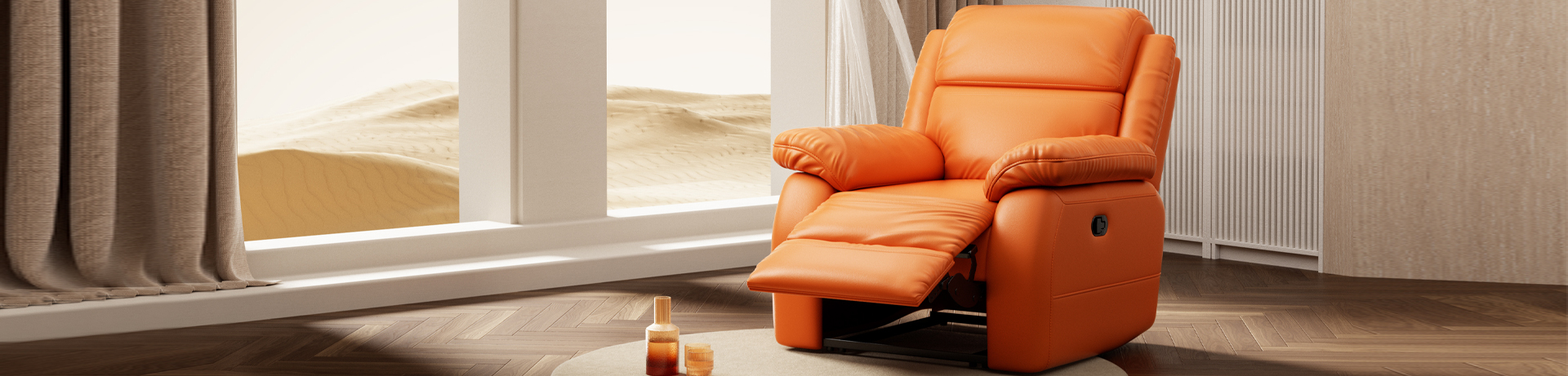
In the global luxury fashion industry, the demand for premium, sustainable, and versatile materials continues to rise, with high-quality PU leather emerging as a preferred choice for luxury bag and footwear manufacturers. Unlike traditional PVC leather or low-grade synthetic alternatives, high-quality PU (polyurethane) leather combines the elegant aesthetics of genuine leather with enhanced durability, flexibility, and eco-friendliness—making it ideal for B2B buyers seeking to balance luxury appeal, functional performance, and market competitiveness. As a staple material in the production of high-end bags, handbags, sneakers, and dress shoes, high-quality PU leather is reshaping the luxury accessories market, catering to modern consumers’ demands for cruelty-free, low-maintenance, and stylish products.
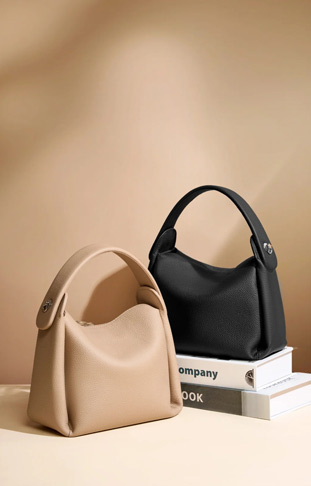
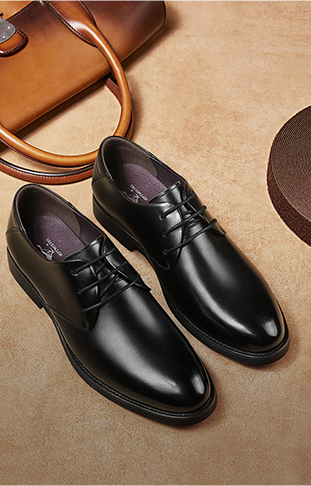
High-quality PU leather is engineered through a sophisticated manufacturing process that involves coating a premium fabric base (typically cotton or polyester) with multiple layers of polyurethane, followed by precision embossing, finishing, and quality testing. This meticulous process ensures the material boasts a soft, supple texture that closely mimics the look and feel of genuine leather—from the natural grain patterns to the subtle sheen—while eliminating the inconsistencies and ethical concerns associated with animal-derived leather. Unlike low-grade PU leather, which tends to crack, peel, or fade over time, high-quality variants undergo advanced treatment to enhance their durability, making them resistant to scratches, stains, and wear—critical properties for luxury bags and footwear that are designed to withstand daily use and retain their premium appearance for years.
For luxury bag manufacturers, high-quality PU leather offers unparalleled versatility, making it suitable for a wide range of designs—from sleek, minimalist tote bags and elegant clutches to structured satchels and durable travel luggage. Its lightweight nature ensures that luxury bags remain comfortable to carry, even when fully loaded, while its flexibility allows for intricate detailing, such as embossed logos, quilted patterns, or custom textures. B2B buyers in the bag industry also value high-quality PU leather for its customization capabilities: manufacturers can easily adjust its color, finish, and thickness to align with brand aesthetics, whether creating bold, vibrant hues for seasonal collections or understated neutrals for timeless pieces. Additionally, high-quality PU leather is water-resistant and easy to clean, addressing a key pain point for consumers who want luxury bags that are both stylish and practical.
In the luxury footwear sector, high-quality PU leather has become a game-changer, particularly for premium sneakers, loafers, and ankle boots. The material’s breathability and softness ensure optimal comfort for all-day wear, a crucial factor for luxury footwear brands competing in a market where comfort is as important as style. For athletic-inspired luxury sneakers, high-quality PU leather offers the perfect balance of flexibility and support, allowing for natural movement while maintaining the shoe’s structure. For dress shoes and boots, it delivers a polished, refined look that rivals genuine leather, with the added benefit of being more resistant to scuffs and water damage. In line with 2026 footwear trends—including tactile finishes, retro silhouettes, and distressed aesthetics—high-quality PU leather can be embossed or treated to mimic pony hair, aged leather, or exotic patterns, enabling brands to stay ahead of market demands.
Sustainability is another key driver behind the growing adoption of high-quality PU leather in the luxury bag and footwear industry. As global consumers and B2B buyers increasingly prioritize eco-conscious practices, high-quality PU leather stands out as a more sustainable alternative to genuine leather and PVC leather. Unlike PVC, which is non-biodegradable and produces toxic byproducts during production, high-quality PU leather is manufactured using water-based polyurethane coatings, reducing environmental impact. Additionally, advancements in sustainable PU leather production have led to the development of recycled and bio-based variants, which incorporate waste materials or plant-derived feedstocks—helping luxury brands meet their ESG goals and appeal to eco-conscious consumers. This sustainability factor is particularly valuable for B2B buyers targeting Western European, North American, and Oceania markets, where strict environmental regulations and consumer demand for cruelty-free products are driving purchasing decisions.
For B2B buyers—including luxury bag and footwear manufacturers, brand owners, and wholesale suppliers—partnering with a reliable supplier of high-quality PU leather is essential to maintaining product quality and market competitiveness. High-quality PU leather not only reduces production costs compared to genuine leather but also offers a more consistent supply chain, with fewer fluctuations in pricing and availability. It also supports scalability, allowing manufacturers to meet large-volume orders without compromising on quality—a critical advantage in the fast-paced luxury fashion industry. Many leading luxury brands, including those collaborating with top manufacturers, already rely on high-quality PU leather for their accessories lines, testament to its ability to deliver the premium look and performance that luxury consumers expect.
As the luxury fashion industry continues to evolve, high-quality PU leather is poised to remain a cornerstone material for luxury bags and footwear. Its unique combination of aesthetic appeal, durability, versatility, and sustainability addresses the evolving needs of B2B buyers and consumers alike. Whether used in a luxury handbag that combines style and functionality, a pair of premium sneakers that balances comfort and trendiness, or a sleek dress shoe that exudes elegance, high-quality PU leather proves that synthetic materials can rival—and even surpass—genuine leather in both performance and luxury appeal. For B2B buyers looking to elevate their product lines, reduce environmental impact, and meet consumer demand for cruelty-free luxury, high-quality PU leather is the ideal material choice.
Post time: Mar-24-2026


