


Across the global fashion and furniture sectors, a profound shift toward sustainability is underway—one that is redefining material choices, consumer preferences, and business strategies. At the heart of this transformation is eco-leather, a diverse category of sustainable synthetic leather alternatives that includes recycled leather, bio-based leather, water-based PU leather, and microfiber leather. Unlike traditional genuine leather, which carries significant environmental and ethical drawbacks, and low-grade synthetic leathers that harm the planet, eco-leather offers a perfect balance of sustainability, functionality, and aesthetic appeal. For B2B buyers—from fashion brands and footwear manufacturers to furniture OEMs and interior designers—eco-leather is no longer a niche choice but a strategic necessity, driving innovation, reducing environmental impact, and meeting the growing demand for eco-conscious products. As the global eco-leather market is projected to grow at a CAGR of 11.2% from 2026 to 2032, its influence on the fashion and furniture industries continues to deepen, reshaping everything from production processes to consumer purchasing decisions.
For B2B fashion buyers, including luxury brands, footwear manufacturers, and accessory designers, eco-leather offers a versatile and cost-effective solution that does not compromise on style or performance. In luxury fashion, eco-leather is increasingly used for high-end handbags, jackets, and footwear, as it mimics the texture and elegance of genuine leather while appealing to eco-conscious consumers. For example, recycled PU leather is now a staple in athletic footwear, offering the same flexibility and durability as traditional materials but with a 30% lower carbon footprint. Bio-based leather, meanwhile, is gaining traction in sustainable fashion lines, with brands using it to create unique, texture-rich pieces that resonate with younger consumers who prioritize ethical purchasing. Eco-leather also supports customization—manufacturers can easily adjust color, texture, and thickness to align with brand aesthetics, making it ideal for seasonal collections and limited-edition designs. For B2B buyers, this versatility translates to greater market flexibility, allowing them to adapt to changing trends while meeting sustainability goals.
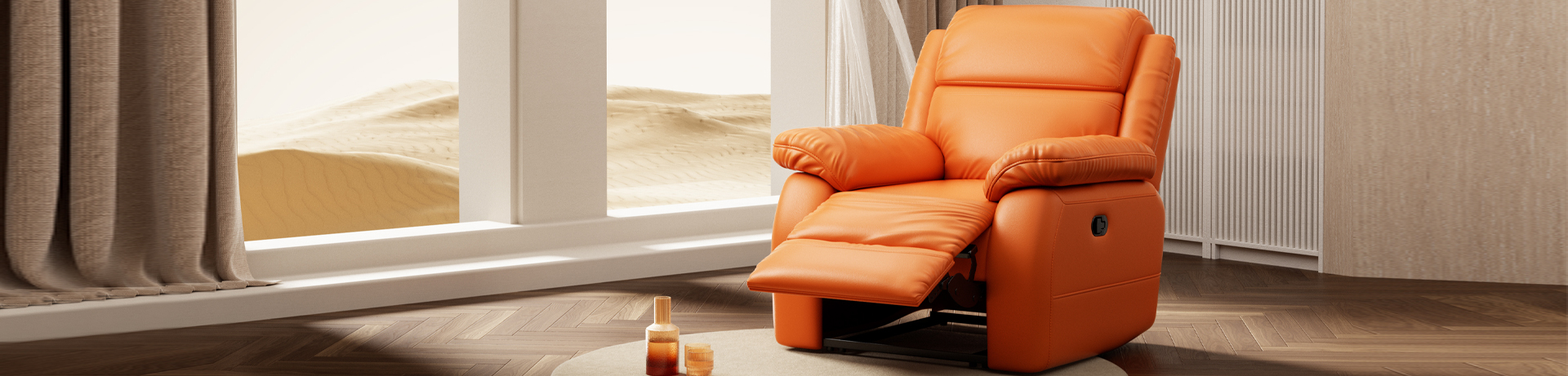
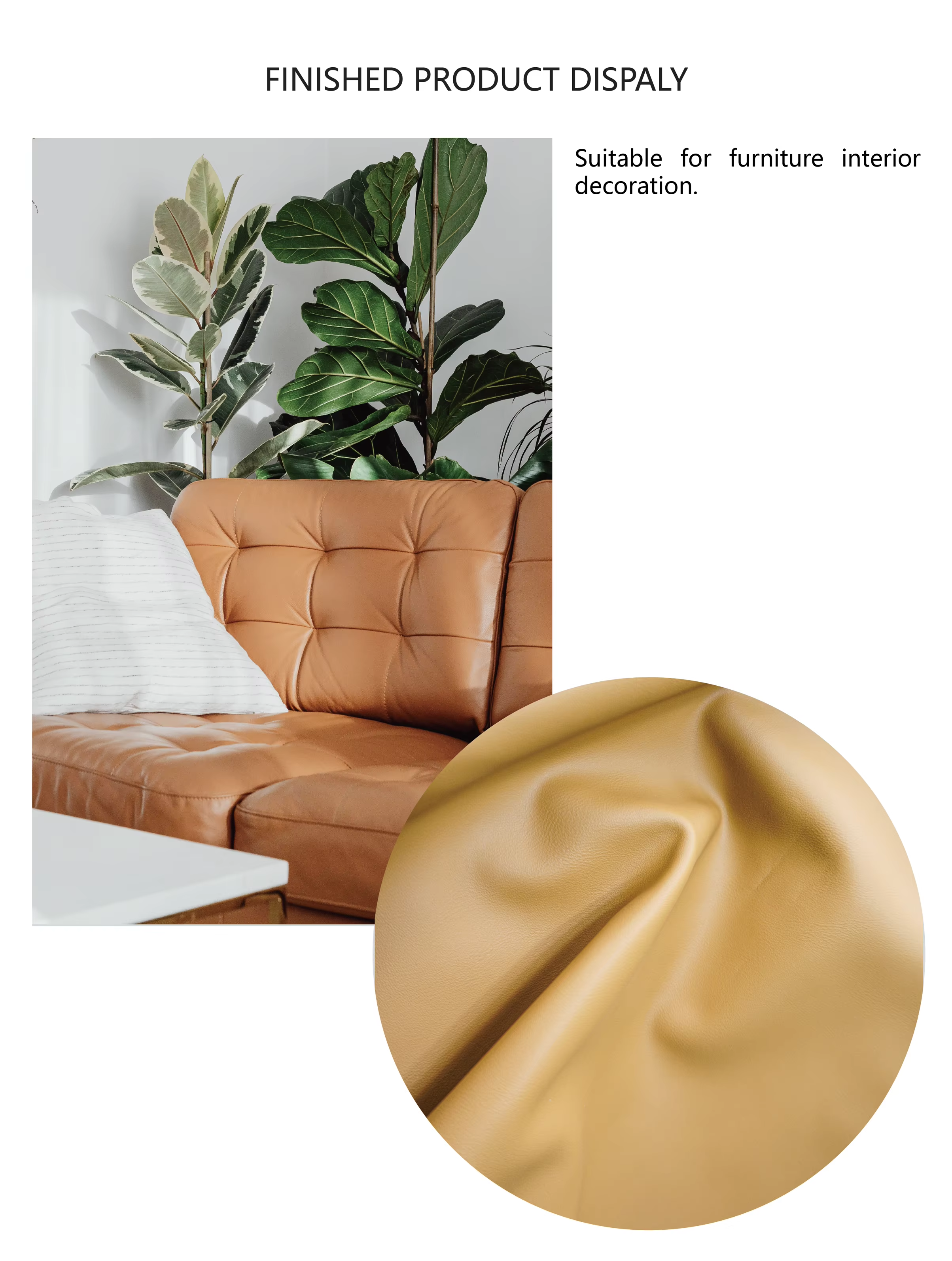
The furniture industry is experiencing a similar transformation, with eco-leather becoming the preferred material for both commercial and residential interiors. Traditional furniture materials, such as genuine leather and PVC, often fall short in terms of sustainability and durability—genuine leather fades and cracks over time, while PVC is prone to peeling and emits harmful chemicals. Eco-leather, however, offers superior durability, resistance to stains and wear, and easy maintenance—critical properties for furniture that is designed to withstand heavy use. Recycled microfiber leather, for instance, is widely used in hotel lobbies, office spaces, and family homes, as it is scratch-resistant, easy to clean, and retains its appearance for years. Bio-based leather, with its natural, organic texture, is increasingly used in high-end residential furniture, adding a touch of luxury while supporting green building certifications like LEED.
Beyond sustainability and functionality, eco-leather is reshaping the business models of both industries, driving collaboration and innovation. Fashion and furniture brands are increasingly partnering with eco-leather suppliers to develop custom materials that meet their specific needs—from water-resistant finishes for outdoor furniture to breathable textures for activewear. Suppliers, in turn, are investing in R&D to improve eco-leather performance, developing variants that are more durable, flexible, and sustainable. For example, recent innovations include self-healing eco-leather for furniture and moisture-wicking eco-leather for footwear, expanding the material’s application possibilities. This collaboration between B2B buyers and suppliers is creating a more circular economy, where waste is minimized, and materials are designed for longevity and recyclability.
In conclusion, eco-leather is not just a material alternative—it is a catalyst for change in the fashion and furniture industries. By offering a sustainable, versatile, and cost-effective solution, it is reshaping production processes, consumer preferences, and business strategies. For B2B buyers, investing in eco-leather is a strategic decision that aligns with global sustainability trends, meets regulatory requirements, and drives long-term business growth. As the fashion and furniture industries continue to prioritize sustainability, eco-leather will remain at the forefront, driving innovation, reducing environmental impact, and redefining what it means to create high-quality, responsible products. Whether in a luxury handbag, a commercial sofa, or a pair of athletic shoes, eco-leather is proving that sustainability and style can go hand in hand—reshaping two of the world’s most influential industries for the better.
Post time: Apr-07-2026


