


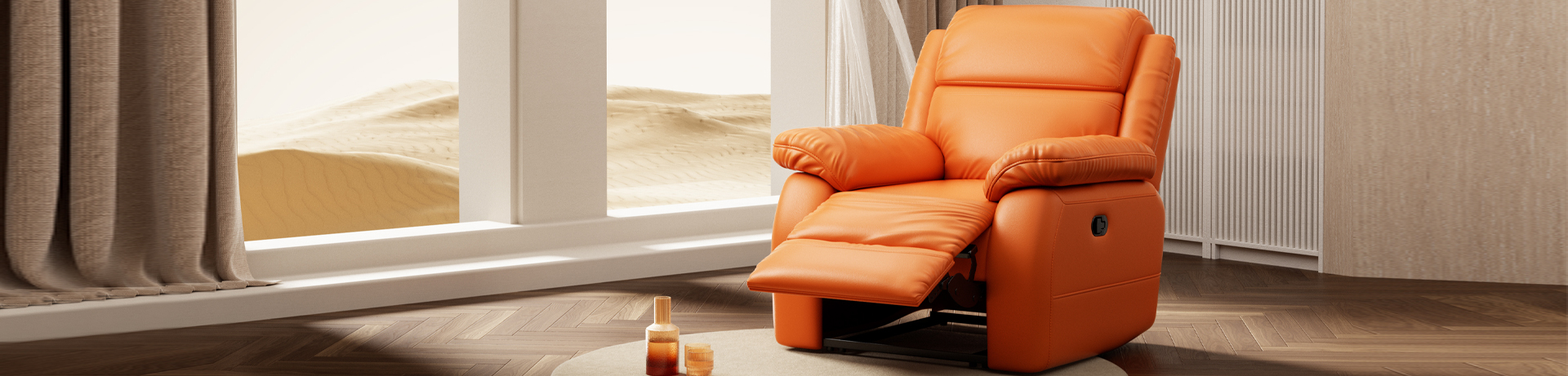
Against the backdrop of global low-carbon transformation, animal welfare advocacy, and high-end manufacturing upgrading, microfiber synthetic leather has emerged as the most representative high-performance substitute for natural leather, gradually replacing traditional ordinary synthetic leather and occupying a core position in high-value industrial scenarios such as new energy vehicle interiors, high-end footwear, smart furniture, and luxury accessories. Different from conventional PU and PVC leather, microfiber synthetic leather adopts ultra-fine denier fiber non-woven fabric as the base material, combined with modified polyurethane resin through bionic weaving and composite molding technology. Its internal three-dimensional fibrous structure is highly consistent with natural cowhide, enabling it to achieve excellent performance in tensile strength, tear resistance, abrasion resistance, and hydrolysis resistance that far surpasses ordinary synthetic materials.
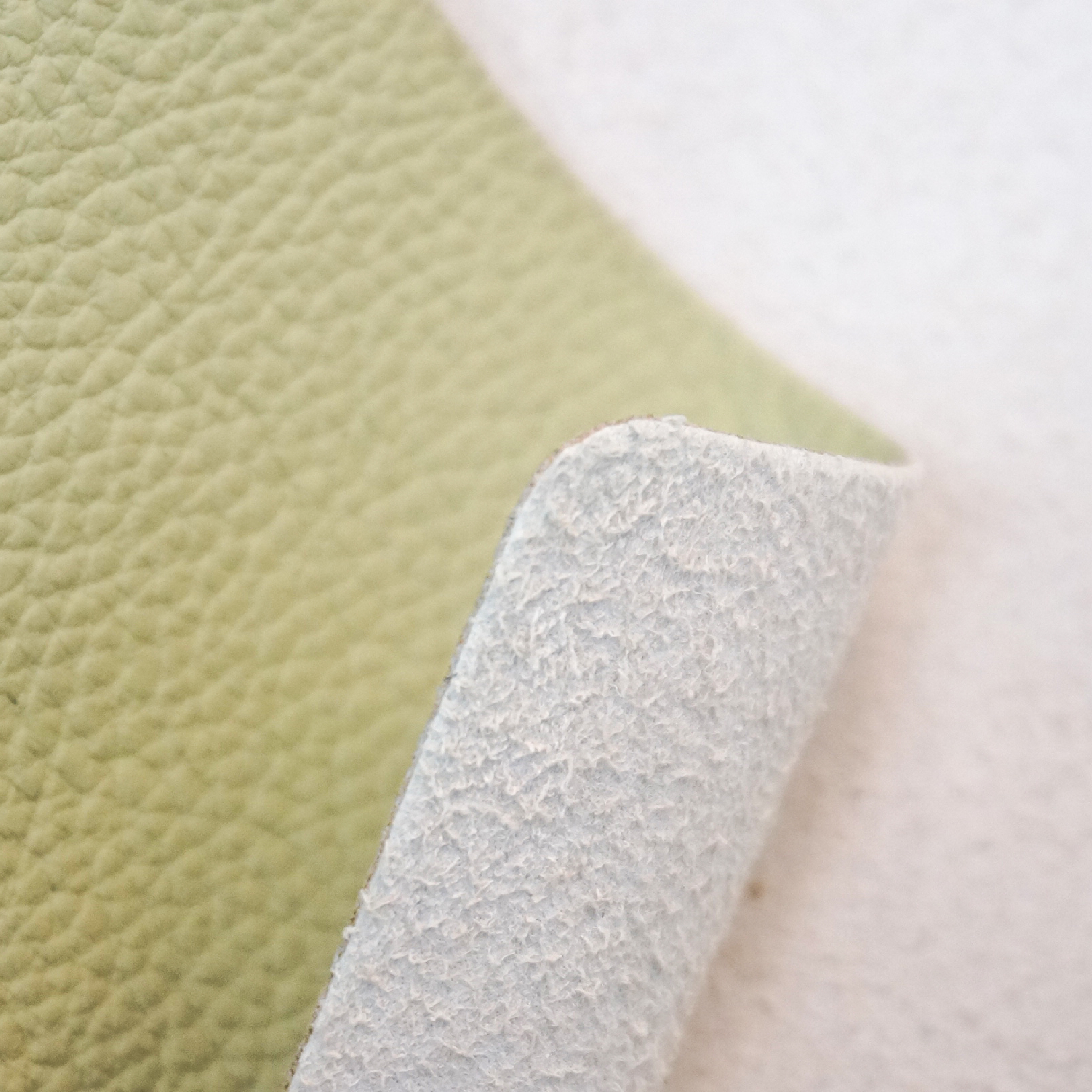
In terms of industrial layout, the Asia-Pacific region, especially China, has become the global core production and R&D base of microfiber leather, owning complete industrial chains from raw material resin synthesis, fiber spinning, finished product processing to post-treatment finishing. In the past decade, the industry has completed a round of elimination of backward solvent-based production processes. Driven by international environmental regulations including REACH, RoHS, and VOC emission standards, mainstream manufacturers have fully promoted water-based microfiber, low-solvent and solvent-free production technologies, effectively reducing the discharge of harmful substances such as DMF and realizing green and low-carbon production upgrades. At the same time, the continuous iteration of finishing technologies such as fine texture simulation, matte anti-fingerprint, and constant-temperature soft touch has greatly narrowed the sensory gap between microfiber leather and natural leather.
The downstream application market of microfiber leather is expanding rapidly with the development of terminal industries. In the new energy vehicle industry, lightweight, low-odor, anti-aging, and wear-resistant properties have made microfiber leather the preferred interior material for mid-to-high-end new energy models, covering seats, door panels, armrests, and instrument panel decorations. Compared with natural leather, it has obvious advantages in cost control, batch stability, and environmental compliance, and can adapt to the long-term high-temperature and high-humidity working environment of vehicle interiors. In the high-end footwear industry, sports and fashion brands widely use microfiber leather to produce functional sneakers and casual shoes, relying on its stain resistance, dimensional stability, and bending resistance to improve product durability and wearing comfort.
Despite its broad market prospects, the microfiber leather industry still faces prominent development challenges. First, high-end microfiber core formulas and fine finishing technologies are still monopolized by a small number of international enterprises, and domestic mid-end products have serious homogeneous competition, leading to vicious price competition in the low-end market. Second, the raw material prices of petrochemical-based modified resins fluctuate with global crude oil prices, increasing the operational cost pressure of manufacturers. In addition, the market’s inherent cognition of “synthetic materials are inferior to genuine leather” still restricts its penetration rate in ultra-high-end luxury markets.
Looking ahead, technological innovation will be the core driving force for the iterative upgrading of the microfiber leather industry. Bio-modified microfiber, recycled polyester-based microfiber, and intelligent digital texture customization will become the main development directions in the next few years. With the continuous improvement of circular economy systems and green manufacturing standards, microfiber synthetic leather will further erode the market share of natural leather and traditional synthetic leather, and become the mainstream high-end leather material in the global green manufacturing era. Enterprises that master low-carbon processes, high-performance formulas and customized R&D capabilities will occupy a dominant position in the global industrial competition.
Post time: Sep-16-2026


