


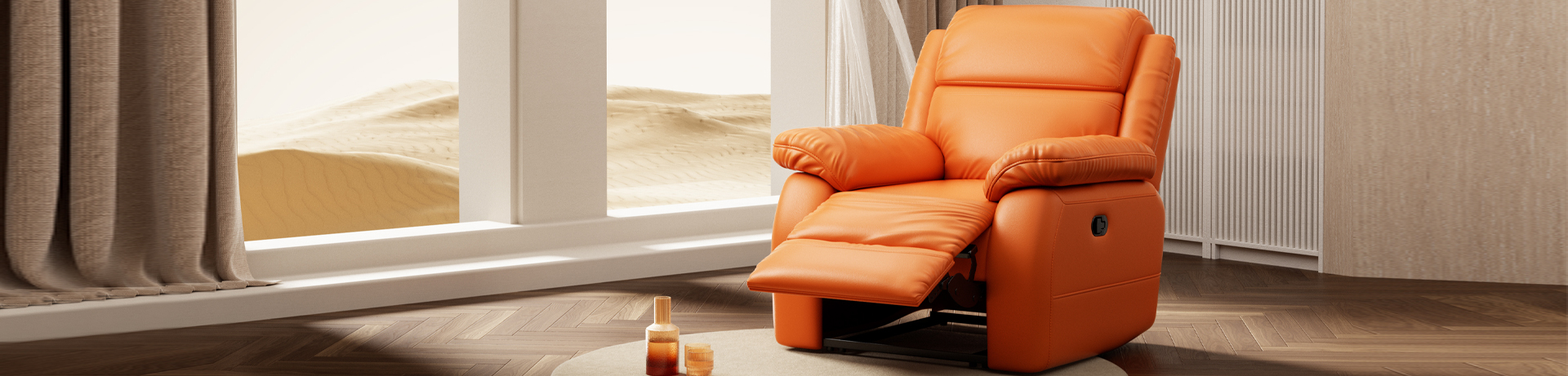
In today’s era of fashion and environmental protection, the battle between microfiber leather and genuine leather is increasingly becoming a focus of attention. Each of these two materials has its own characteristics in terms of performance and sustainability, as if they were playing the ultimate game for the future of materials.
In terms of performance, leather has long been prized for its unique feel and durability. It has a natural texture, every inch tells the story of the years, and has good breathability, allowing users to feel the natural warmth of the skin. However, there are some disadvantages to genuine leather that cannot be ignored. For example, it is susceptible to moisture and stains, and is relatively troublesome to maintain, requiring the use of specialized cleaners and care products. Moreover, leather is animal-dependent, and there may be ethical issues involved in its production, an unacceptable fact for many consumers who are concerned about animal welfare.
Microfiber leather, on the other hand, is a high-tech artificial leather that has come into its own in recent years. It has shown amazing strength in terms of performance. Microfiber leather is highly resistant to abrasion and maintains its appearance even after long periods of use and friction. Its water and dirt resistance is also excellent, and daily cleaning can be done by gently wiping with a damp cloth, which greatly reduces the user’s maintenance burden. In terms of appearance, microfiber leather is becoming more and more simulated to mimic the texture and feel of genuine leather, meeting the needs of consumers who are both fashion conscious and have considerations for animal ethics.
In terms of sustainability, microfiber leather undoubtedly has a huge advantage. Its production does not require the use of animal resources, avoiding harm to animals and damage to the ecosystem. Moreover, with the continuous progress of technology, the production process of microfiber leather is also gradually developing in the direction of greening, reducing the pollution of the environment. In contrast, the traditional production methods of the leather industry tend to bring higher carbon emissions and environmental pressure, which is contrary to the goal of global sustainable development.
However, we cannot ignore some of the challenges that microfiber leather may face during the production process. For example, some poor quality microfiber leathers may contain harmful chemicals that pose a potential threat to human health. This requires manufacturers to continuously improve their production process and strictly control the quality to ensure the safety and environmental protection of microfiber leather.
Overall, microfiber leather and genuine leather have their own advantages and disadvantages in terms of performance and sustainability. Genuine leather has the traditional luxury and texture, but faces the double challenge of ethics and environmental protection; microfiber leather is gradually becoming the new favorite of the times with its technological content and environmental protection characteristics, but also needs to improve itself. In the future, we look forward to seeing these two materials can find a more perfect balance between performance and sustainability, providing consumers with more high-quality, environmentally friendly choices, and writing a new chapter in the harmonious development of fashion and environmental protection. Whether you are a fashion enthusiast, an environmental advocate or an ordinary consumer, we should pay attention to this battle for the ultimate balance between microfiber leather and leather, because it is not only about our quality of life, but also about the future of the planet and the living space of future generations.
Post time: Apr-17-2025


