


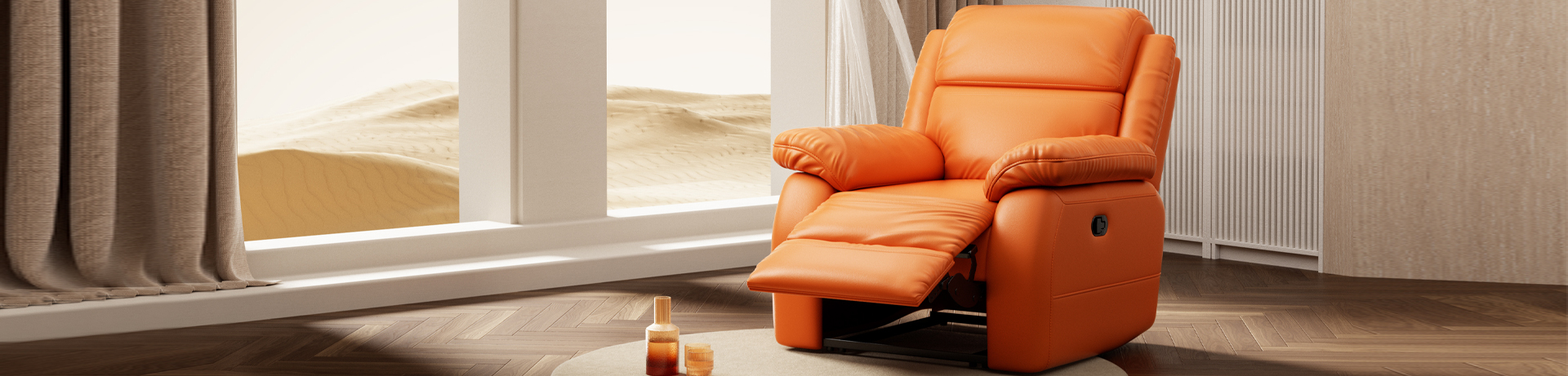
PVC synthetic leather, as one of the earliest mature synthetic leather materials, has maintained an irreplaceable basic market position in the global leather industry with its extremely high cost performance, mature processing technology, rich surface plasticity, and stable physical properties. After decades of industrial development, PVC leather has formed a complete and standardized production system, which is widely used in mass consumption fields such as civil furniture, casual luggage, low-end footwear, commercial decoration, and daily necessities. Its excellent waterproof, mildew-proof, corrosion-resistant and easy-to-clean characteristics perfectly meet the durable and low-cost material needs of middle and low-end terminal markets, and it still occupies a large market share in emerging economies and mass consumer scenarios.
However, with the global surge of sustainable development concepts and the continuous tightening of international environmental supervision, the traditional PVC leather industry is facing unprecedented transformation pressure. The core development bottleneck of PVC leather lies in its material characteristics and production links: the traditional formula contains phthalate plasticizers, heavy metal stabilizers and other harmful ingredients, which do not meet the green access standards of EU, North American and other developed markets. In addition, PVC materials contain chlorine elements, which are easy to produce toxic and harmful substances during incineration and disposal, and have low natural degradation efficiency, bringing great challenges to the construction of industrial circular economy. In recent years, many international brands have successively included traditional PVC materials in restricted procurement lists, forcing the entire industry to carry out green formula upgrading and process reform.
In response to industry pain points and policy requirements, leading PVC leather manufacturers are actively exploring eco-friendly transformation paths and launching a new generation of modified PVC leather products. On the formula side, enterprises replace traditional harmful plasticizers with bio-based plasticizers derived from plant oils, and add natural plant fillers such as rice husk powder, wood powder and straw fiber to reduce the proportion of petrochemical raw materials, effectively reducing carbon footprint and harmful substance content. On the production process side, advanced low-temperature calendering and high-efficiency purification equipment are adopted to reduce VOC emissions in the production process and improve the environmental compliance of products. At the same time, recycled PVC leather made from waste plastic recycling and reprocessing has gradually been applied in low-end engineering and decoration scenarios, realizing the preliminary resource recycling of PVC materials.
In terms of market pattern, the PVC leather industry presents obvious segmented development characteristics. Traditional low-end unmodified PVC products are gradually phased out in high-standard environmental protection regions, and the market scale continues to shrink. In contrast, environmentally friendly modified PVC leather still maintains stable market demand in cost-sensitive mass scenarios due to its balanced advantages of low price, stable performance and improved environmental protection. It is worth noting that the technical threshold of high-quality eco-PVC is constantly improving, and small and medium-sized factories with backward processes are facing elimination, and the industry concentration is further improved.
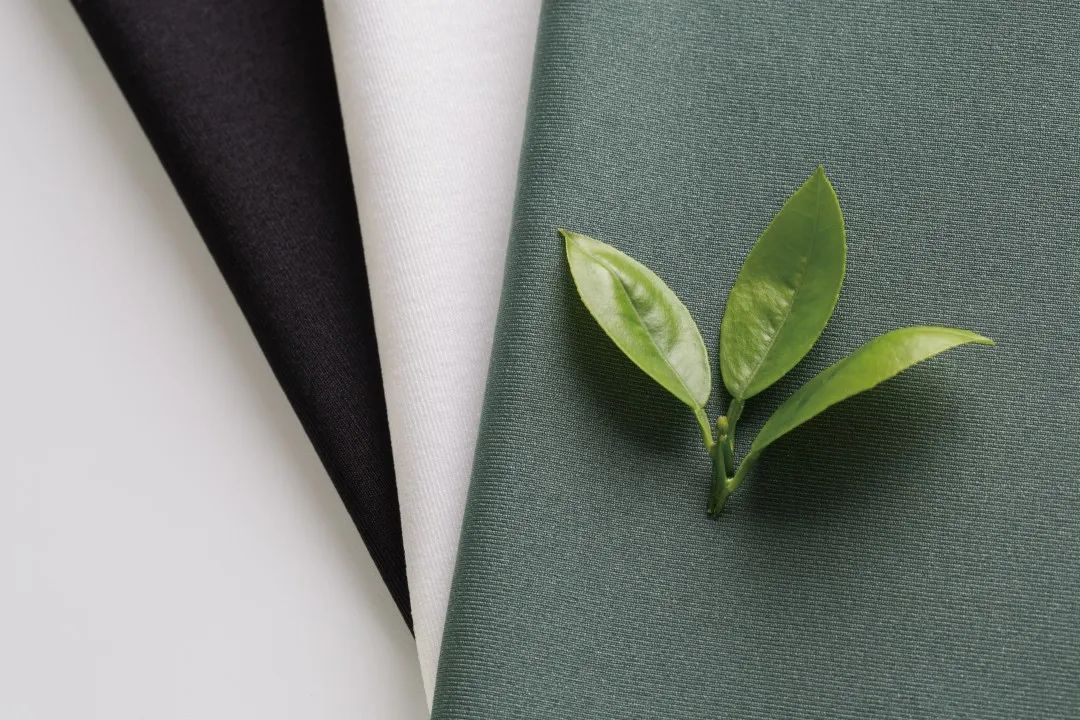
In the future, PVC synthetic leather will not withdraw from the market in a short term by virtue of its unique cost advantage, but the industry’s competition focus will completely shift from price competition to environmental protection performance, formula innovation and recycling capability. Continuous optimization of material degradability, upgrading of green production processes, and improvement of product quality stability will become the core development directions of the PVC leather industry. Only enterprises that keep pace with global environmental protection policies and complete green transformation can gain long-term survival and development space in the increasingly stringent market competition.
Post time: Oct-13-2026


