


In today’s era of heightened environmental awareness, an innovative product—recycled leather—is quietly transforming our consumption patterns and environmental protection practices by converting waste into fashionable and functional materials.Against the backdrop of global pursuit for sustainable development, recycled leather has emerged as a vital bridge connecting environmental protection and fashion, offering an eco-friendly solution for the textile industry.
01 Diverse Types of Recyclable Leather
Recyclable leather primarily encompasses two major categories: regenerated leather and recyclable synthetic leather. Each holds its place in the market due to unique environmental attributes and application advantages.
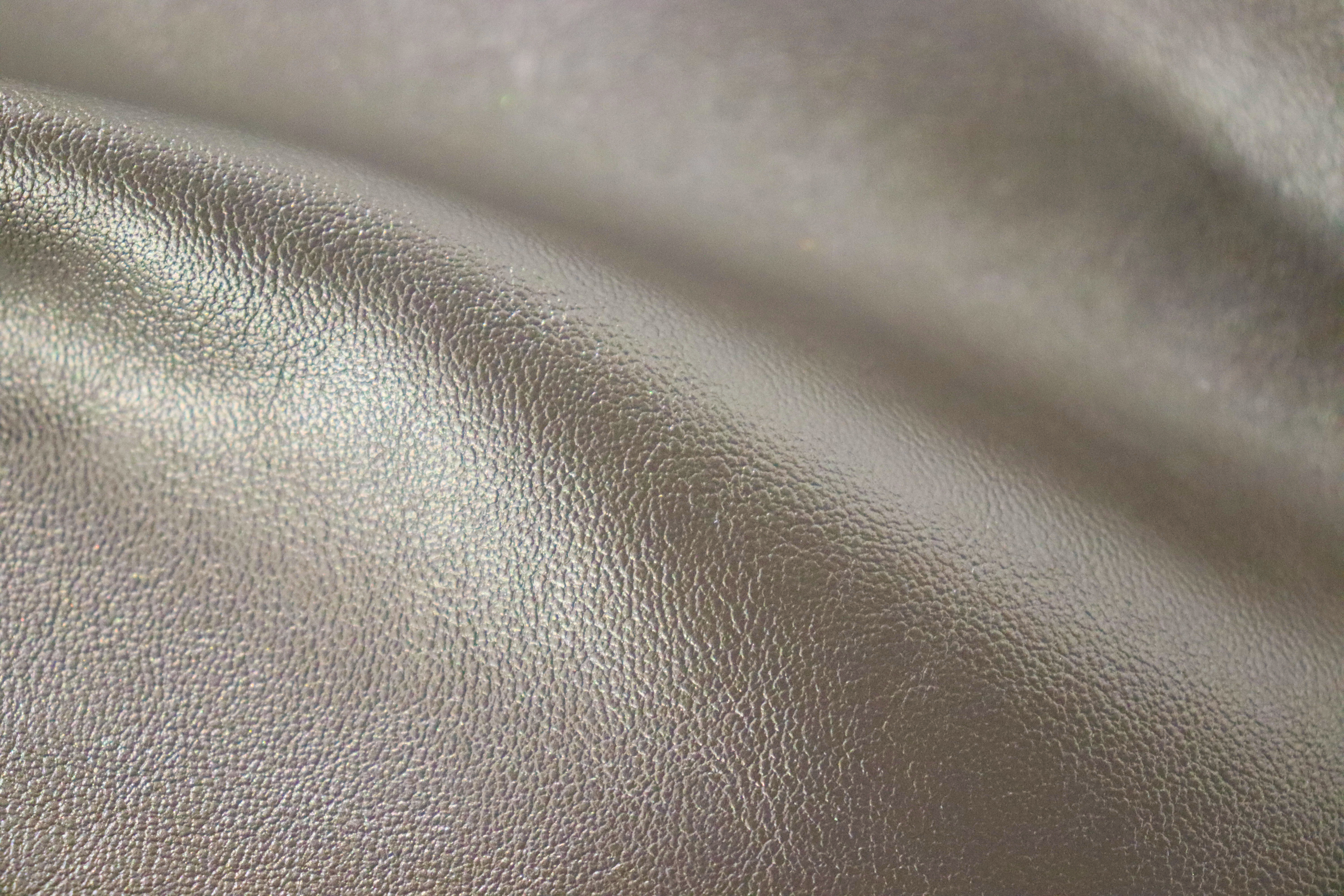
Regenerated leather is an eco-friendly fabric produced from tanning waste and leather goods offcuts. It undergoes processes including pulverization, resin blending, and high-temperature compression.
Its production process involves fiber disintegration, collagen extraction, bio-based polyurethane blending, and thermal compression molding. The finished product combines the breathability of genuine leather with the malleability of synthetic leather.
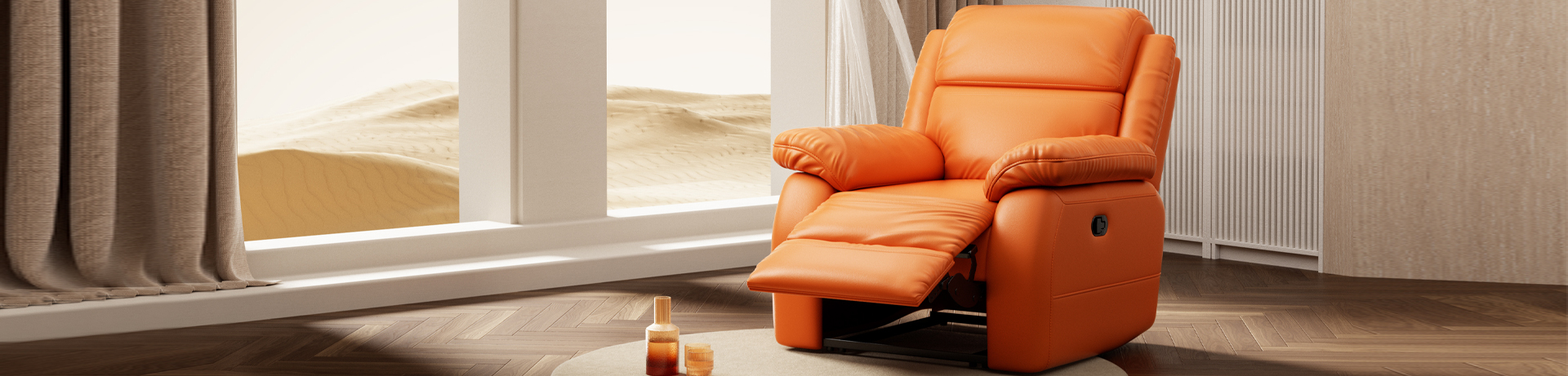
This material not only significantly reduces resource waste in leather production but also mimics natural leather textures through techniques like 3D printing and embossing. It finds extensive applications in luggage, furniture, automotive interiors, and other sectors.
02 Environmental Advantages and Circular Properties
The core value of recycled leather lies in its outstanding environmental performance, primarily manifested in resource recycling and reduced environmental burden.
From a resource utilization perspective, recycled leather transforms leather scraps and offcuts that would otherwise be discarded into valuable products, achieving waste upcycling.
Globally, millions of hides go unused annually due to declining leather demand, ultimately ending up in landfills or incinerators—a significant waste of durable, repairable materials.
The emergence of recyclable leather effectively addresses this dilemma by adding value to discarded resources and extending material lifespans.
Innovative recyclable leather demonstrates exceptional performance in environmental emissions reduction. By eliminating the use of organic solvents during production and meeting stringent volatile organic compound (VOC) emission standards, it significantly streamlines the synthetic leather manufacturing process.
03 Wide Application and Market Prospects
Recycled leather, with its eco-friendly properties and outstanding performance, has gained extensive application across multiple sectors and demonstrates significant market potential. Currently, recycled leather is widely used in footwear and apparel, automotive interiors, furniture products, luggage accessories, and other fields.
For instance, regenerated leather, offering outstanding value for money at just one-tenth the price of natural leather, has become a highly prevalent material for leather goods. With the European Commission’s anti-fast fashion campaign and the global push for durable, repairable products, the market outlook for recycled leather continues to expand.
04 Contributions to Sustainable Development
The promotion and use of recycled leather has multiple positive impacts on achieving sustainable development goals, primarily manifested in three areas: the circular economy, carbon emission reduction, and shifts in consumer culture.
In terms of the circular economy, recycled leather perfectly embodies the concept of “turning waste into treasure.” Leather is made from byproducts of the meat and dairy industries. This clever disguise obscures leather’s role in creating value from resources that would otherwise be wasted.
By transforming these resources into high-quality materials, recycled leather reduces the demand for new raw materials and lowers resource consumption.
Regarding carbon reduction, using recycled leather diminishes dependence on fossil fuels. Replacing leather does not equate to saving a cow; it means substituting leather with synthetic materials entirely derived from fossil energy.
Bio-based regenerative leather achieves up to 100% biodegradability under composting conditions, significantly reducing plastic pollution.
In fostering sustainable consumption culture, leather’s inherent durability and repairability stand in stark contrast to fast fashion.Leather goods can last decades, offering repairability and biodegradability unmatched by most other materials.This encourages consumers to shift from disposable consumption toward pursuing quality, durable, long-term use—aligning with the “slow fashion” philosophy.
The emergence of recyclable leather not only offers an eco-friendly solution for the fashion industry but also represents a responsible approach to production and consumption. From high-end fashion runways to everyday consumer use, this green material is gradually transforming our perception and usage of leather goods. It stands not only as a new eco-conscious choice but also as a vital bridge connecting the past and future of sustainable development.
Post time: Jan-07-2026


