


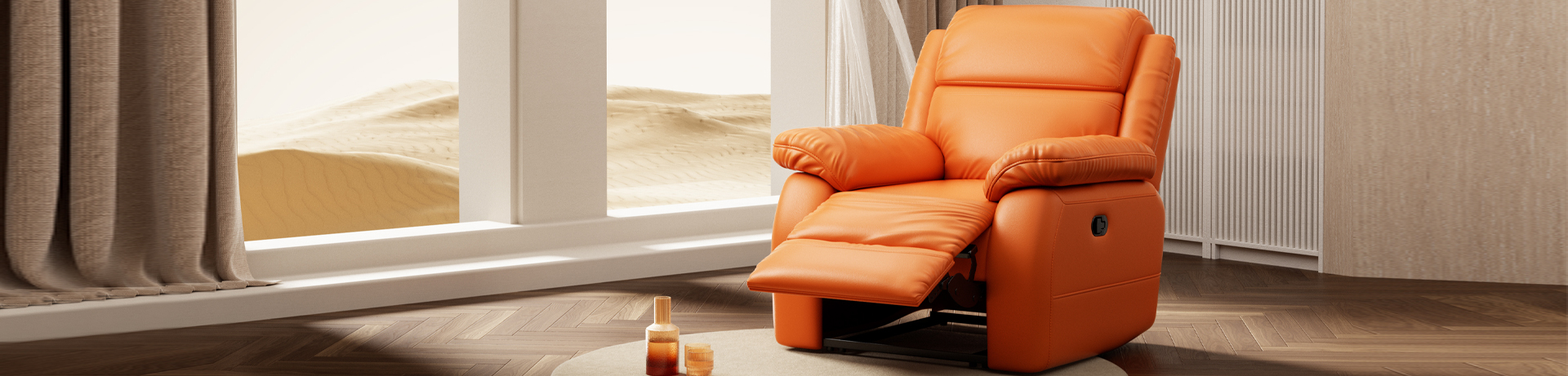
Elevated Comfort & Tactile Luxury: Feels as Good as It Looks
While durability impresses engineers, drivers judge interiors first by touch and visual appeal. Here too, silicone leather delivers:
- Premium Softness & Drape: Modern manufacturing techniques allow for varying thicknesses and finishes. High-quality grades mimic the smooth hand feel and luxurious drape of fine Nappa leather without the high cost or maintenance headaches. It has a unique slightly warm sensation compared to colder plastics upon contact.
- Customizable Aesthetics: Available in an infinite spectrum of colors and textures – from smooth matte finishes mimicking suede to glossy effects rivalling patent leather, even embossed patterns replicating exotic animal grains like ostrich or snakeskin. Designers gain unprecedented freedom to create signature looks consistent across different model lines. Digital printing enables intricate stitching simulations directly onto the material itself.
- Breathability Advancements: Early concerns about breathability have been addressed through microperforation technologies integrated into select premium versions. These tiny holes allow air circulation while still maintaining excellent liquid barrier properties, enhancing occupant comfort during long drives.
- Quieter Ride: Its uniform surface structure reduces friction noise between occupant clothing and seats compared to some textured fabrics, contributing to a quieter cabin environment at highway speeds.
Championing Sustainability: The Eco-Conscious Choice
Perhaps one of its most compelling arguments in the era of electric vehicles (EVs) focused heavily on corporate social responsibility (CSR) is sustainability:
- Zero Animal Cruelty: As a completely synthetic material, it eliminates any association with cattle ranching, reducing land use, water consumption, greenhouse gas emissions (methane from cows), and ethical dilemmas surrounding animal welfare. It aligns perfectly with vegan principles increasingly important to consumers and manufacturers alike.
- Recyclable Potential: Unlike bonded reconstituted leather filled with adhesive layers impossible to separate, many silicone leather constructions utilize monomaterial approaches compatible with existing recycling streams for polyester/nylon textiles at end-of-life. Programs exploring chemical depolymerization to recover pure silicone oil are also emerging.
- Lower Carbon Footprint Overall: When factoring in production resource intensity versus lifespan durability (reducing replacement needs), its environmental impact profile often outperforms both genuine leather and many competitor synthetics over a vehicle’s entire lifecycle. Life cycle assessments (LCAs) conducted by leading suppliers confirm this trend.
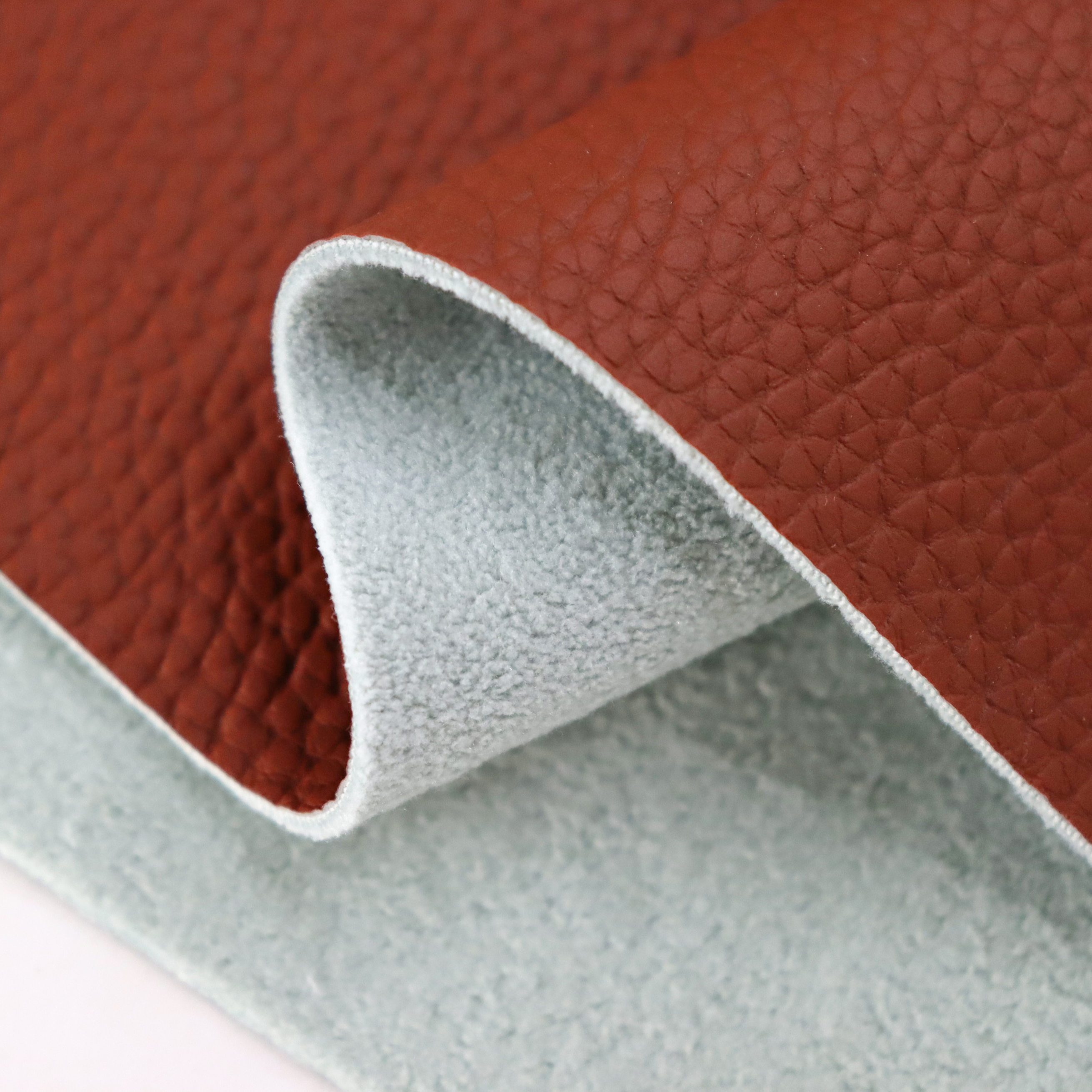
Diverse Applications Within the Cabin
The versatility of silicone leather makes it suitable for nearly every surface inside the passenger compartment:
- Seat Upholstery: The primary application, offering passengers year-round comfort regardless of climate zone. Covers both cushioning foam surfaces and side bolsters requiring high abrasion resistance. Example: Many Chinese OEMs like Geely and BYD now equip flagship models exclusively with silicone leather seats.
- Steering Wheel Grips: Needs precise control combined with tactile feedback. Specialized formulations provide excellent grip dry and wet while remaining soft on hands. Resists oils transferring from skin far better than standard leather.
- Door Trim & Armrests: High wear areas benefit immensely from its scratch resistance and easy cleaning properties. Often matched aesthetically to seat material for harmony.
- Headliners (Ceiling Liners): Increasingly popular due to excellent moldability into complex shapes plus inherent Class A surface finish eliminating the need for costly graining processes seen on vinyl headliners. Lightweight contributes to weight reduction targets too. Case Study: A major German automaker uses perforated silicone leather headliners across its compact SUV lineup for premium ambiance.
- Instrument Panel Accents & Center Stack Bezels: Adds sophisticated visual cues as decorative trim pieces replacing painted plastic or wood veneer where a softer touch is desired. Can incorporate ambient lighting effects beautifully through translucency options.
- Pillar Coverings: Often overlooked but critical for acoustic comfort and aesthetic cohesion around windshield pillars (A/B/C posts). Material flexibility allows seamless wrapping around curves without wrinkling.
Post time: Sep-16-2025


