


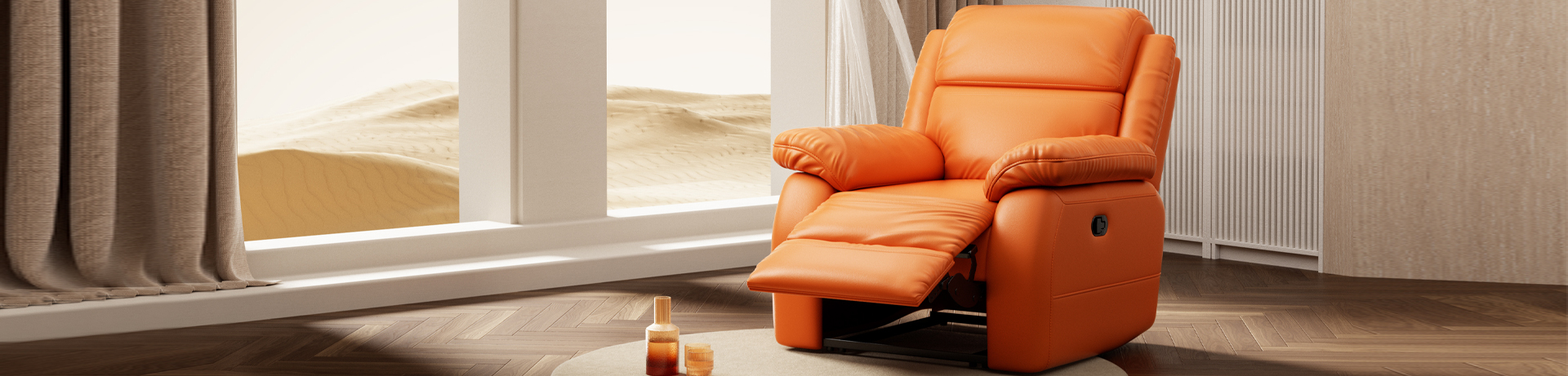
In the field of shoe-making, the choice of materials is crucial, and microfiber and PU leather stand out with their unique properties, becoming the ideal choice for many footwear brands. These two kinds of synthetic leather not only combine practicality and aesthetics, but also meet the needs of different scenarios, the following is the main reason why it is suitable for making shoes analyzed:
First, excellent durability: carrying high intensity use scene
The base cloth of microfiber leather adopts ultrafine fibers with a diameter of 0.001-0.01 mm to form a three-dimensional mesh structure, and the surface is formed into a highly dense layer through the polyurethane impregnation process, and its abrasion resistance can be up to 3-5 times that of ordinary PU leather. Experimental data show that microfiber leather at room temperature bending 200,000 times without cracks, low temperature (-20 ℃) bending 30,000 times is still intact, and its tear strength is comparable to genuine leather. This characteristic makes it especially suitable for sports shoes, work shoes and other footwear that require frequent bending or contact with rough surfaces. In contrast, PU leather, because of the common non-woven or knitted fabric as the base material, is prone to coating peeling or gloss attenuation after long-term use.
Second, breathable comfort: enhance the wearing experience
microfiber leather fiber gap uniform distribution, the formation of similar to natural leather microporous structure, can quickly moisture conduction and perspiration, keep shoes dry. Tests have shown that its breathability is more than 40% higher than traditional PU leather, and it is not easy to produce a stuffy feeling when wearing for a long time. The PU resin coating has a dense structure, and although the initial feel is soft, the breathability is poor, which may cause foot discomfort in summer or sports scenes. In addition, microfiber leather has excellent anti-aging properties, is not easy to deform at high temperatures, low temperature environment can still maintain flexibility, to adapt to diverse climatic conditions.
Third, environmental protection and safety: in line with international standards
microfiber leather production using water-based polyurethane impregnation technology, to avoid the use of solvent-based coatings, VOCs emissions are significantly lower than PU leather. It does not contain heavy metals, benzene and other harmful substances, in line with the EU REACH regulations and international environmental protection certification, more suitable for export to Europe and the United States and other strict market regulation area. Traditional PU leather, on the other hand, relies on solvent-based coating process, which may have the risk of chemical substance residue. For the independent foreign trade station, the environmental attributes of microfiber leather can become the core selling point of product promotion to meet the needs of overseas consumers for sustainable products.
Fourth, processing flexibility and aesthetic value
microfiber leather can be dyed, embossed, film and other processes to achieve diversified design, its surface texture is delicate, can be highly simulated leather texture, and even in some performance beyond the leather. For example, its crease resistance and color fastness is better than most natural leather, and thickness uniformity (0.6-1.4mm) is easier to standardize production. In contrast, PU leather is rich in color, but it is easy to fade after long-term use, and the gloss may appear cheap due to wear and tear. For the pursuit of fashionable appearance of footwear design, microfiber leather is more balanced between aesthetics and practicality.
Fifth, the balance of cost and market positioning
Although the cost of microfiber leather is about 2-3 times of PU leather, but its long life and low maintenance needs make it more competitive in the high-end footwear market. For foreign trade independent station, the main microfiber leather products can be located in the middle and high-end market, catering to the quality and environmental protection of overseas consumer groups; while PU leather is suitable for limited budget or seasonal style update needs. For example, microfiber leather is recommended for high wear and tear scenarios such as soccer trainers and outdoor hiking shoes, while PU leather can be chosen for disposable fashion items to control costs.
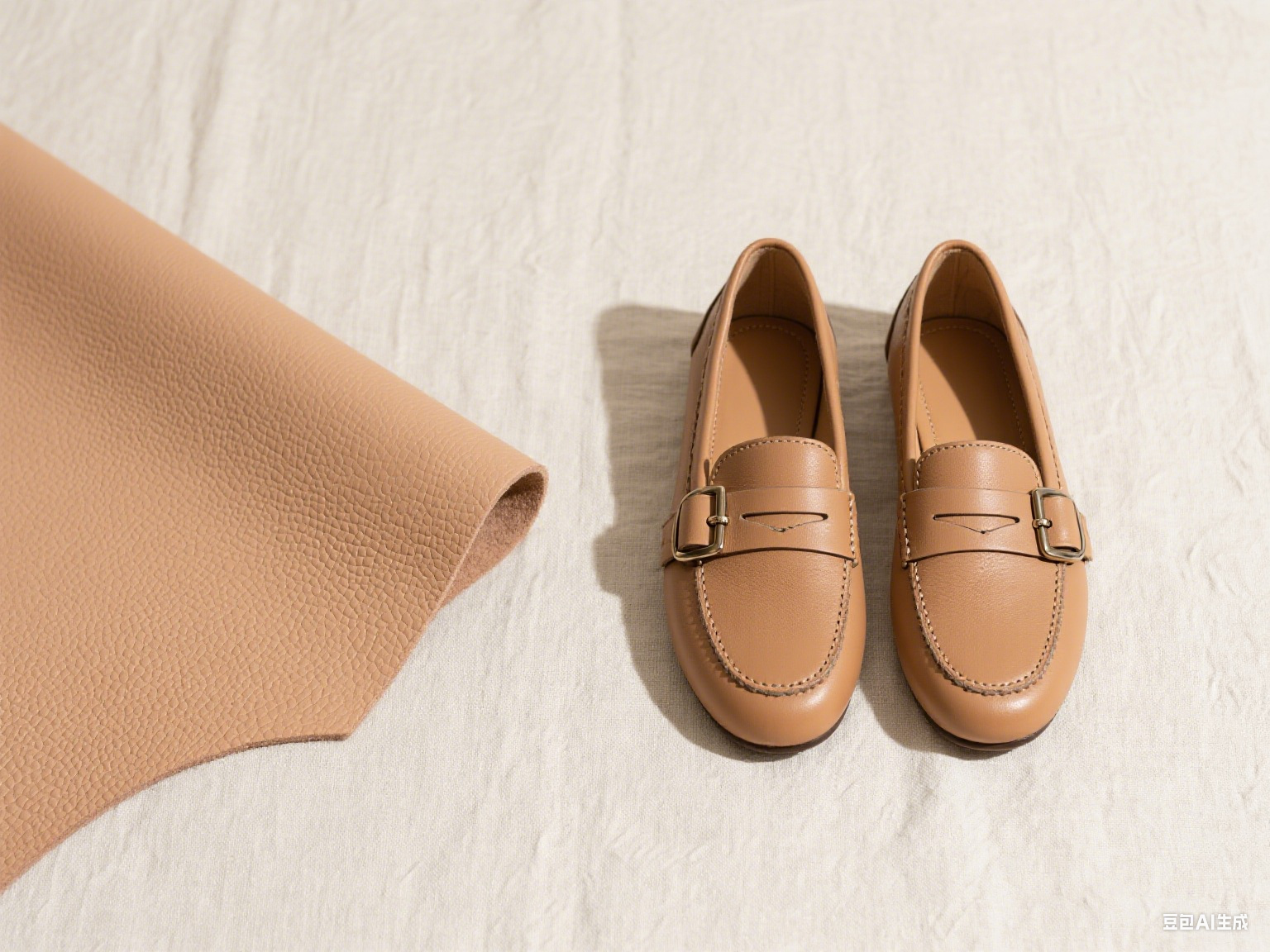
Conclusion: Scenario Adaptation and Value Choice
The advantages and disadvantages of microfiber and PU leather are not absolute, but depend on specific needs. With the core advantages of wear resistance, breathability and environmental protection, microfiber leather is suitable for manufacturing high-performance sports shoes, business shoes and outdoor footwear; while PU leather, with the advantages of low cost and short cycle, occupies a place in the fast fashion or mid-range market.
Post time: Jul-10-2025


