


In recent years, sustainability has evolved from a passing trend into a global lifestyle movement, reshaping material selection across fashion, furniture, automotive, and accessory industries. Among the most remarkable innovations, eco-friendly synthetic leather has gained widespread popularity as a cleaner, cruelty-free, and high-performance alternative to traditional animal leather and conventional plastic-based leather. As public environmental awareness continues to rise, eco-leather is gradually redefining industry standards and creating a new generation of environmentally conscious consumer goods.
One of the most significant driving forces behind the growth of eco-friendly synthetic leather is the increasing rejection of harmful manufacturing processes. Traditional genuine leather requires massive water consumption, chemical tanning, and animal farming, which bring irreversible damage to water resources and ecosystems. Meanwhile, ordinary PVC synthetic leather contains plasticizers and toxic compounds, resulting in slow degradation and heavy pollution. In contrast, modern eco-friendly synthetic leather adopts upgraded production formulas, eliminating harmful solvents and minimizing carbon emissions throughout the manufacturing cycle.
At present, the mainstream eco-leather categories in the market include recycled synthetic leather, water-based PU leather, and bio-based leather. Recycled leather is commonly produced using recycled polyester fibers and waste plastic materials, converting discarded resources into smooth, durable leather fabrics. Water-based PU leather replaces oil-based solvents with water during production, drastically reducing volatile organic compounds and unpleasant odors. Bio-based leather utilizes renewable plant raw materials such as corn starch, castor oil, and plant fibers, presenting a natural texture and excellent biodegradability.
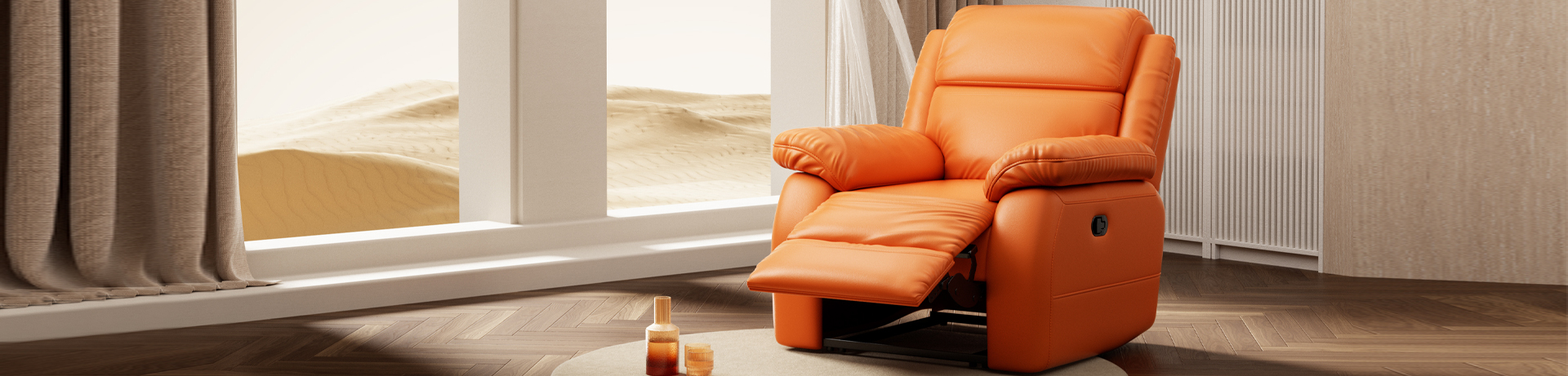
These sustainable leather materials are widely applied in daily consumer products. In the fashion industry, eco-friendly leather is increasingly used for handbags, jackets, belts, and footwear. It delivers a soft tactile feeling and elegant surface grain similar to genuine leather while ensuring animal-free production. In home decoration, eco synthetic leather has become a favored material for sofas, cushions, and decorative upholstery. Its stain resistance, easy-to-clean surface, and breathable texture provide a comfortable living experience for modern households.
The automotive sector also embraces sustainable synthetic leather for interior decoration. Car seats, door panels, and interior trims made of eco-leather feature low odor, low fogging, and temperature resistance. Such materials create healthier and fresher cabin environments, perfectly matching the lightweight and environmentally friendly concepts of modern electric vehicles.
Beyond performance advantages, aesthetic diversity further promotes the popularity of eco-leather. Advanced embossing, surface finishing, and color coating technologies enable sustainable leather to simulate various natural textures, including cowhide, suede, and exotic grain. Whether for minimalist daily styles or luxurious high-end designs, eco-friendly synthetic leather can meet diverse aesthetic demands without compromising environmental ethics.
Looking ahead, the sustainable leather industry shows clear growth momentum. Continuous technological breakthroughs will further improve material durability, weather resistance, and recycling efficiency. More brands will abandon highly polluted raw materials and turn to eco-friendly synthetic leather to build environmentally responsible product lines. As global carbon neutrality goals accelerate, eco-leather will no longer be an alternative choice but a mainstream material in the consumer market.
In conclusion, eco-friendly synthetic leather represents the perfect combination of environmental protection, beauty, and practicality. It effectively solves the pollution problems of traditional leather production while maintaining excellent usability and visual quality. With growing public emphasis on green consumption, sustainable synthetic leather will continue to lead material innovation and shape a cleaner, healthier, and more eco-friendly future for global industries.
Post time: May-20-2026


