


In today’s global market, premium synthetic leather has transcended its role as a cost-effective alternative to genuine leather, evolving into a high-performance, versatile material that elevates product quality, sustainability, and market competitiveness across four key industries: furniture, footwear, luggage & accessories, and automotive interiors. Unlike low-grade synthetic leathers that compromise on durability or aesthetics, premium variants—including high-performance PU leather, microfiber leather, recycled leather, and bio-based leather—combine the luxurious look and feel of genuine leather with enhanced functionality, customization options, and eco-friendly properties. For buyers, from manufacturers and brand owners to wholesale suppliers, integrating premium synthetic leather into product lines is no longer an option but a strategic move to meet consumer demands, adhere to sustainability regulations, and stand out in crowded markets. As the global synthetic leather market is projected to grow at a CAGR of 7.8% to 8.5% through 2032, reaching USD 60.6 billion, its ability to transform products across these four industries continues to drive innovation and value creation.
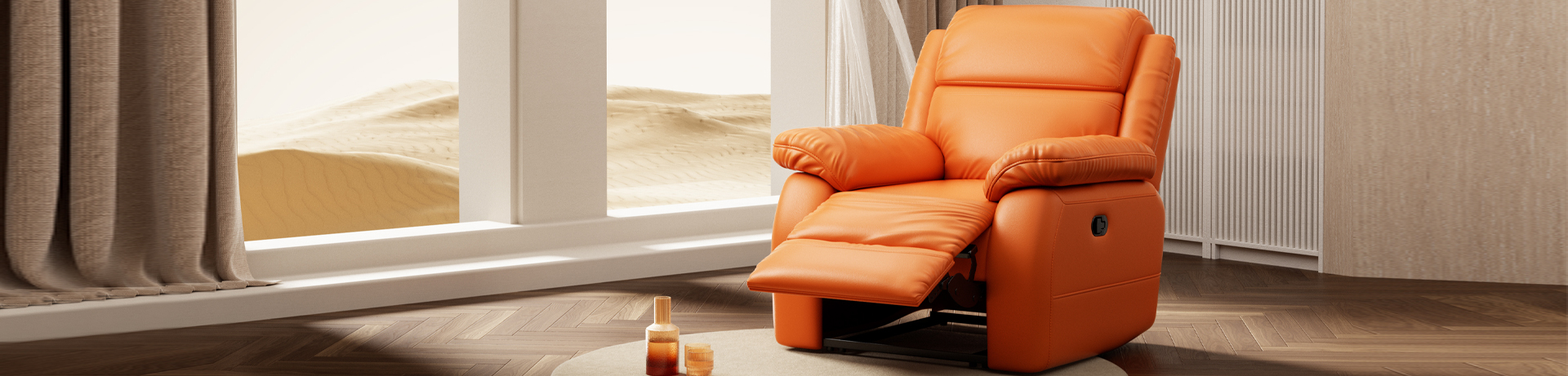
The furniture industry is one of the largest adopters of premium synthetic leather, where it redefines comfort, durability, and style for both commercial and residential spaces. Traditional furniture materials like genuine leather or low-grade PVC often fall short—genuine leather is expensive, prone to fading, and requires high maintenance, while PVC peels and cracks over time. Premium synthetic leather, by contrast, offers a perfect balance of luxury and practicality. High-performance PU and microfiber leather are resistant to stains, scratches, and wear, making them ideal for high-traffic areas like hotel lobbies, office spaces, and family homes. These materials are also easy to clean and maintain, eliminating the need for specialized care— a key benefit for buyers such as hotel chains and furniture manufacturers. Additionally, premium synthetic leather supports extensive customization, allowing designers to create a wide range of textures, colors, and finishes, from sleek modern looks to classic, leather-like aesthetics. For example, recycled microfiber leather is increasingly used in high-end residential sofas, offering a soft, supple texture that rivals genuine leather while aligning with green building certifications like LEED. This versatility not only enhances the visual appeal of furniture but also extends product lifespan, reducing replacement costs for both B2B buyers and end consumers.
In the footwear industry, premium synthetic leather has become a game-changer, enabling brands to create products that balance style, comfort, and performance. Today’s consumers demand footwear that is not only fashionable but also durable, breathable, and eco-friendly—and premium synthetic leather delivers on all fronts. High-quality PU leather, for instance, is lightweight, flexible, and breathable, making it ideal for athletic shoes, luxury sneakers, and dress shoes. It mimics the softness of genuine leather while offering superior resistance to moisture and wear, ensuring footwear remains comfortable and intact even with daily use. Microfiber leather, in particular, is favored for high-end footwear, as its fine fiber structure provides exceptional comfort and support, reducing foot fatigue during long wear. For B2B buyers like footwear manufacturers and brand owners, premium synthetic leather also offers cost advantages: it is more affordable than genuine leather, with a consistent supply chain that minimizes pricing fluctuations and ensures on-time delivery for large-volume orders. Moreover, eco-friendly variants like recycled PU leather help brands meet ESG goals and appeal to eco-conscious consumers, a growing segment in the global footwear market.
The luggage and accessories industry relies on premium synthetic leather to create products that are both stylish and durable—essential for items designed to withstand travel and daily use. Luxury handbags, backpacks, and travel luggage made with premium synthetic leather offer the same elegant aesthetics as genuine leather but with enhanced functionality. High-performance PU leather is water-resistant and scratch-resistant, protecting valuables from damage during transit, while microfiber leather adds a touch of luxury with its soft, leather-like texture. Buyers in this industry value the material’s customization capabilities: manufacturers can easily adjust color, texture, and thickness to align with brand aesthetics, whether creating bold, vibrant designs for seasonal collections or understated neutrals for timeless pieces. Additionally, premium synthetic leather is lightweight, making luggage easier to carry and reducing shipping costs for B2B suppliers. Recycled and bio-based synthetic leather variants further elevate these products, allowing brands to market their accessories as eco-friendly.
The automotive industry has seen a rapid shift toward premium synthetic leather, driven by demands for comfort, durability, and sustainability in vehicle interiors. Modern automakers, including luxury OEMs and EV manufacturers, are increasingly replacing genuine leather and low-grade synthetic leathers with high-performance PU and microfiber leather for seats, door panels, armrests, and instrument panels. These materials offer superior resistance to extreme temperatures, UV radiation, and wear—critical for automotive use, where interiors are exposed to harsh conditions. Premium synthetic leather is also lightweight, contributing to vehicle weight reduction and improved fuel efficiency or EV range. For B2B buyers like automotive interior manufacturers, the material’s low maintenance and durability reduce long-term costs, while its customization options allow automakers to create unique interior designs that align with brand identity. Additionally, eco-friendly variants like water-based PU leather meet strict environmental regulations such as EU REACH, eliminating VOC emissions and odor issues, which enhances passenger comfort and safety.
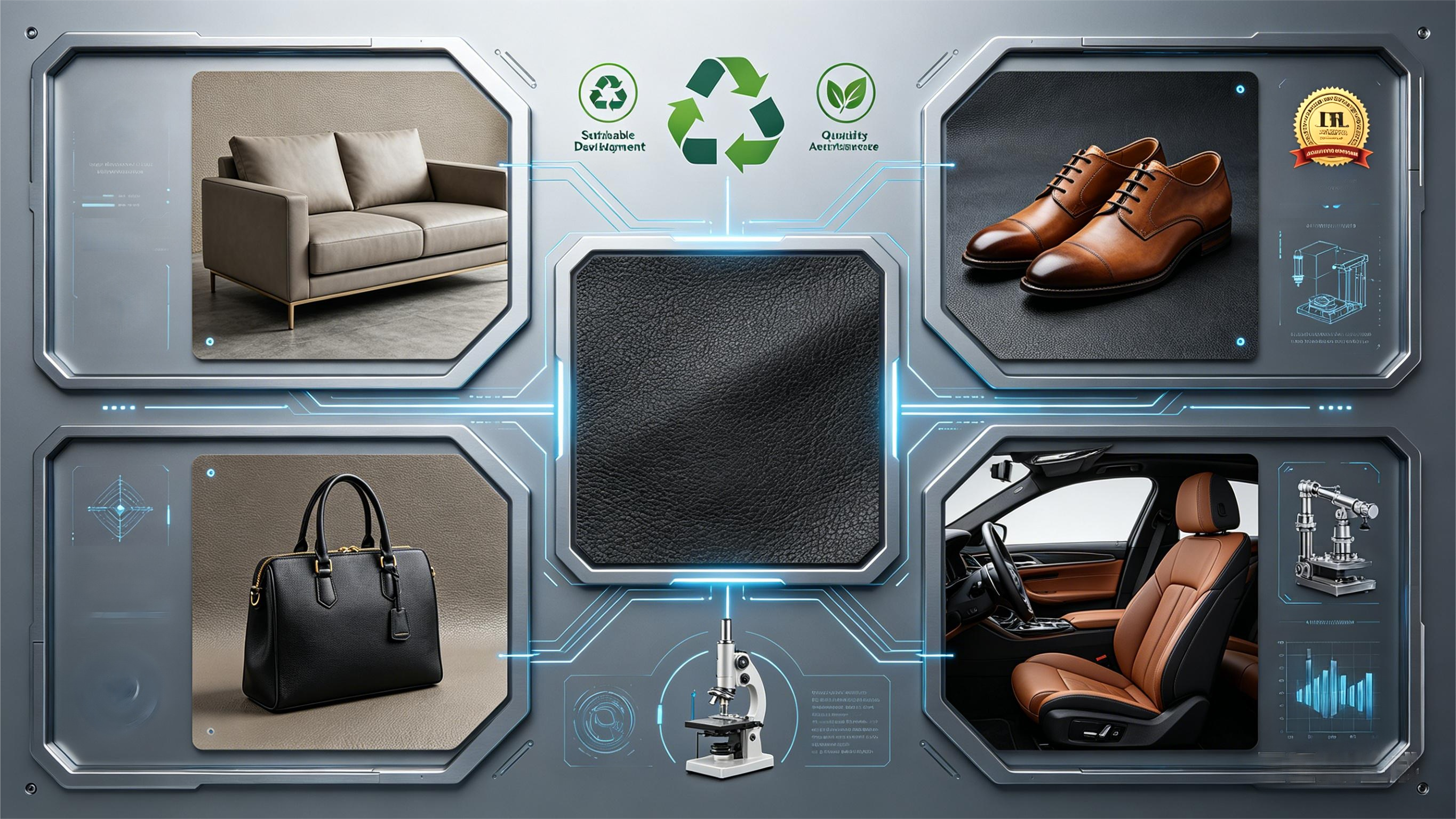
Across all four industries, the common thread is that premium synthetic leather elevates products by addressing key pain points for buyers and end consumers: it offers the luxury of genuine leather without the high cost and ethical concerns, the durability to withstand heavy use, the versatility to adapt to diverse design needs, and the sustainability to meet global environmental goals. Unlike low-grade synthetic leathers, which can damage brand reputation due to poor performance, premium variants deliver consistent quality, ensuring that products maintain their appearance and functionality over time. For buyers, partnering with a reliable supplier of premium synthetic leather is critical to unlocking these benefits—suppliers with advanced production capabilities can offer customized solutions, consistent quality, and scalable supply to meet the needs of manufacturers of all sizes.
As consumer demands for sustainability, durability, and style continue to evolve, premium synthetic leather will remain a cornerstone material across the furniture, footwear, luggage, and automotive industries. It is no longer just a substitute for genuine leather but a superior material that drives innovation, enhances product value, and supports long-term business growth. For buyers looking to elevate their product lines, reduce environmental impact, and stay competitive in global markets, premium synthetic leather is the ideal choice—one that delivers on quality, functionality, and sustainability, across every industry it touches.
Post time: Apr-30-2026


